
Mikä akne on dermatologisesta näkökulmasta?
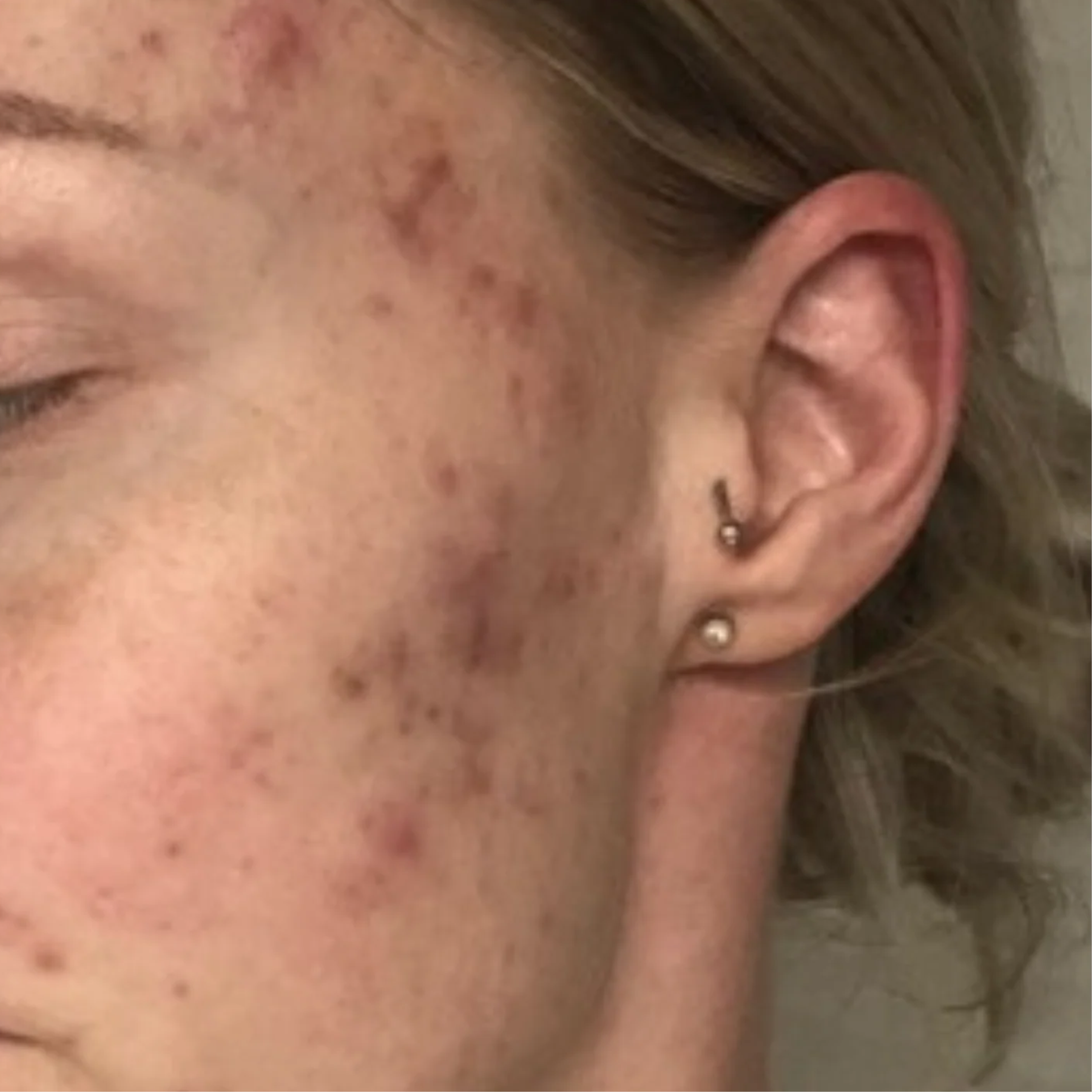
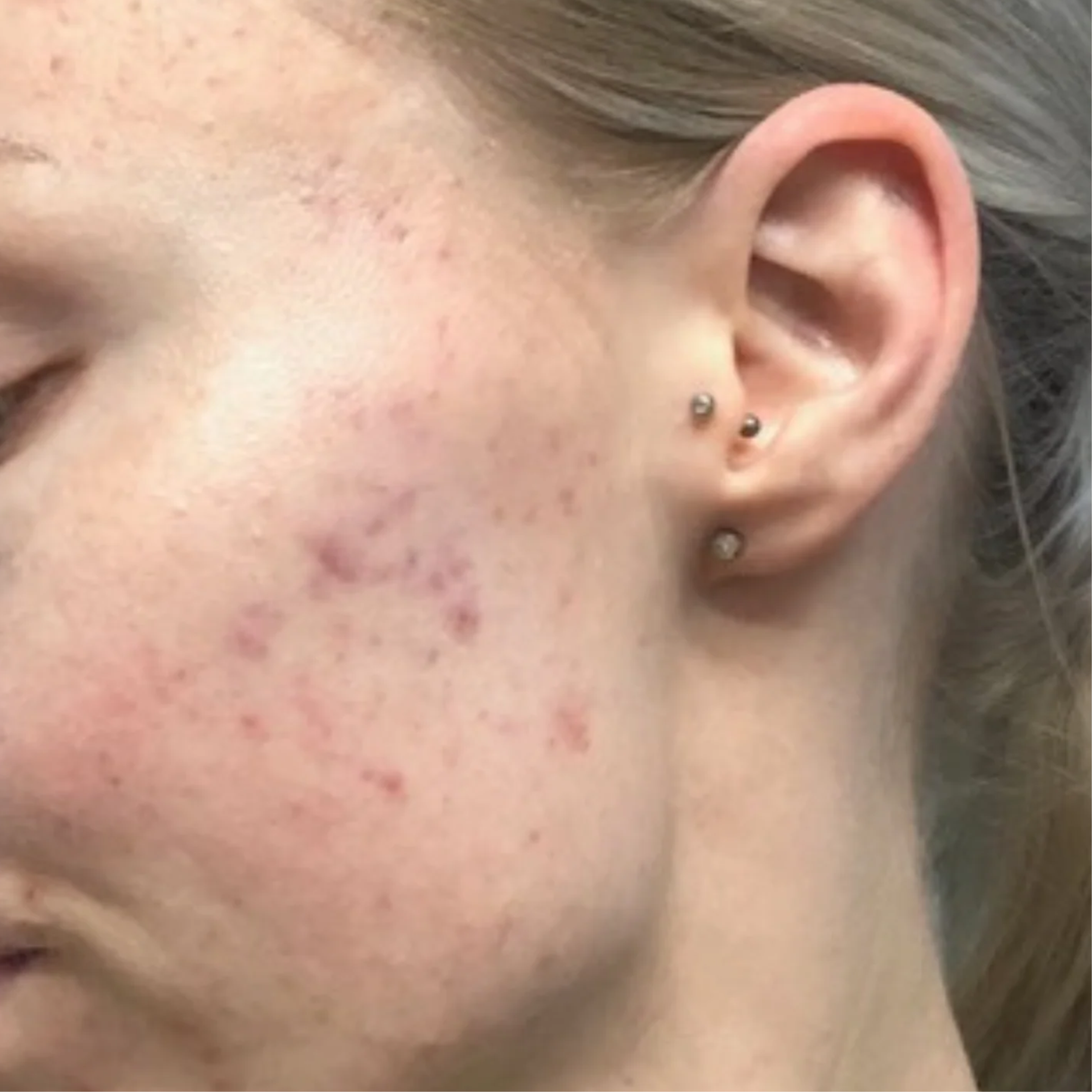
Akne on ihon karvatuppien ja niitä ympäröivien talirauhasten tulehdustila. Se aiheuttaa näppylöitä ja ajoittain suurempiakin paiseita kasvoille ja muille ihoalueille, joissa on paljon talirauhasia, kuten rintaan ja selkään. Akne on yleinen krooninen sairaus, jonka esiintyvyys on noin 60-80%. Sitä esiintyy tasapuolisesti sekä miehillä että naisilla. Kaikkein yleisintä se on murrosiän aikana, mutta sitä esiintyy myös aikuisilla (ts. aikuisiän akne). Vaikea akne saattaa jättää arpia.
Akne tyypit: Mitä ne ovat?
Akne voidaan jakaa erilaisiin alatyyppeihin, joita voi esiintyä myös samanaikaisesti: komedoakne, tavallinen akne, kystinen akne ja muut vakavan kystisen aknen muodot.
Miten akne diagnosoidaan?
Akne diagnosoidaan potilaan lääketieteellisen historian ja kliinisen kuvan perusteella.
Aknen oireita ovat punaiset ja valkoiset näppylät ja mustapäät kasvoilla, rinnassa, selässä ja kaulassa.
Mistä akne johtuu?
Akne on sisäsyntyinen sairaus, jonka taustalla on monenlaisia syitä. Sairaus on usein geneettinen, ja potilaiden lähiomaisissa saattaa olla havaittavissa useita sairastuneita.
Aknen taustasyitä ovat ikä, genetiikka, hormonit ja ulkoiset tekijät kuten lääkitys, sairaudet ja jossain määrin ruoka.
Aknen hoito: Miten aknea yleensä hoidetaan?
Aknen hoito valitaan potilaalla olevan sairauden alatyypin ja vakavuusasteen mukaan.
Lievemmissä aknen muodoissa käytetään usein paikallishoitoa käsikauppa- tai reseptituotteilla, jotka sisältävät esimerkiksi atselaiinihappoa, bentsoyyliperoksidia, salisyylihappoa, antibiootteja ja retinoideja. Aknen vaikeampien muotojen hoitoon määrätään oraalisia antibiootteja, isotretinoiinia ja ehkäisypillereitä. Aknessa hoidon vaikutukset näkyvät tyypillisesti hitaasti ja potilaan tulisi olla motivoitunut pitkäaikaiseen hoidon toteuttamiseen. On tärkeä tiedostaa, että akne saattaa aiheuttaa kosmeettisia huolenaiheita ja se saattaa myös vaikuttaa itsetuntoon. Mitä aknearpiin tulee, on tärkeää aloittaa isotretinoiini mahdollisimman pian, jotta minimoidaan riski pysyviin kasvoarpiin, joiden hoito on erittäin vaikeaa ja kallista myöhemmässä vaiheessa.
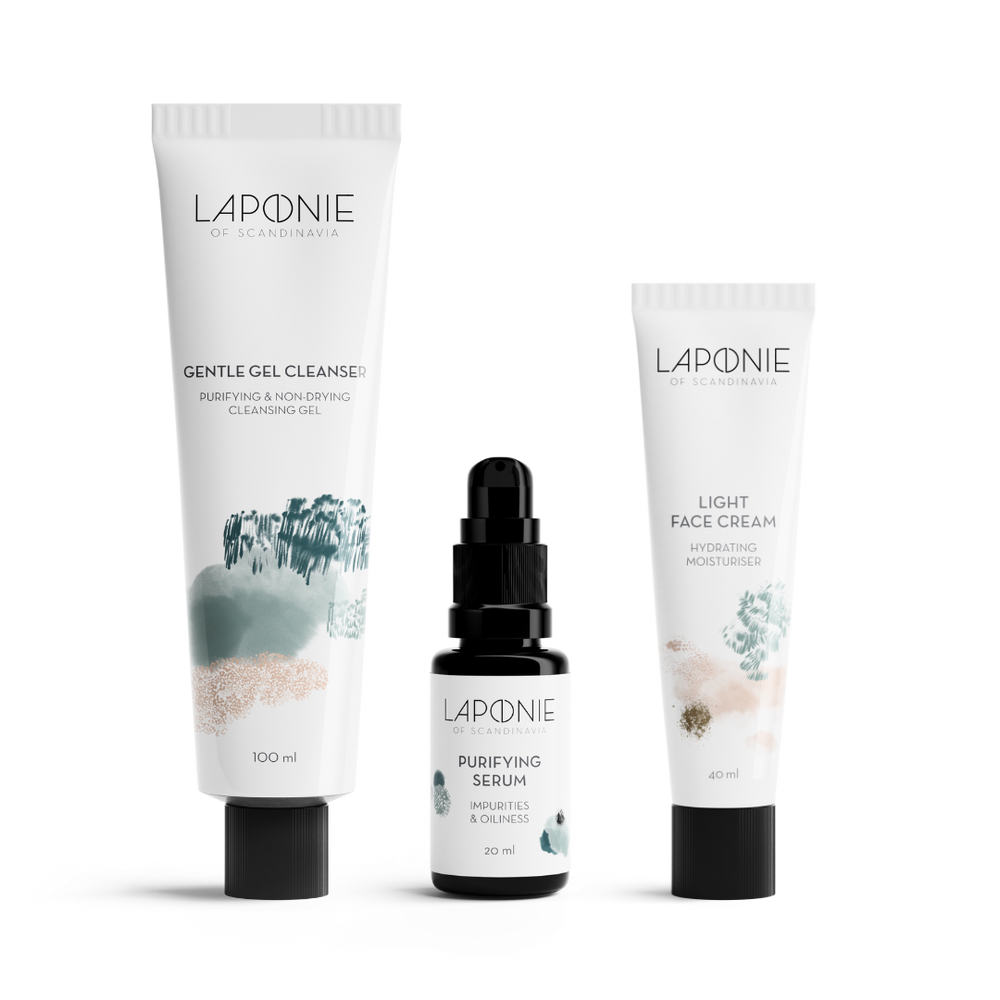
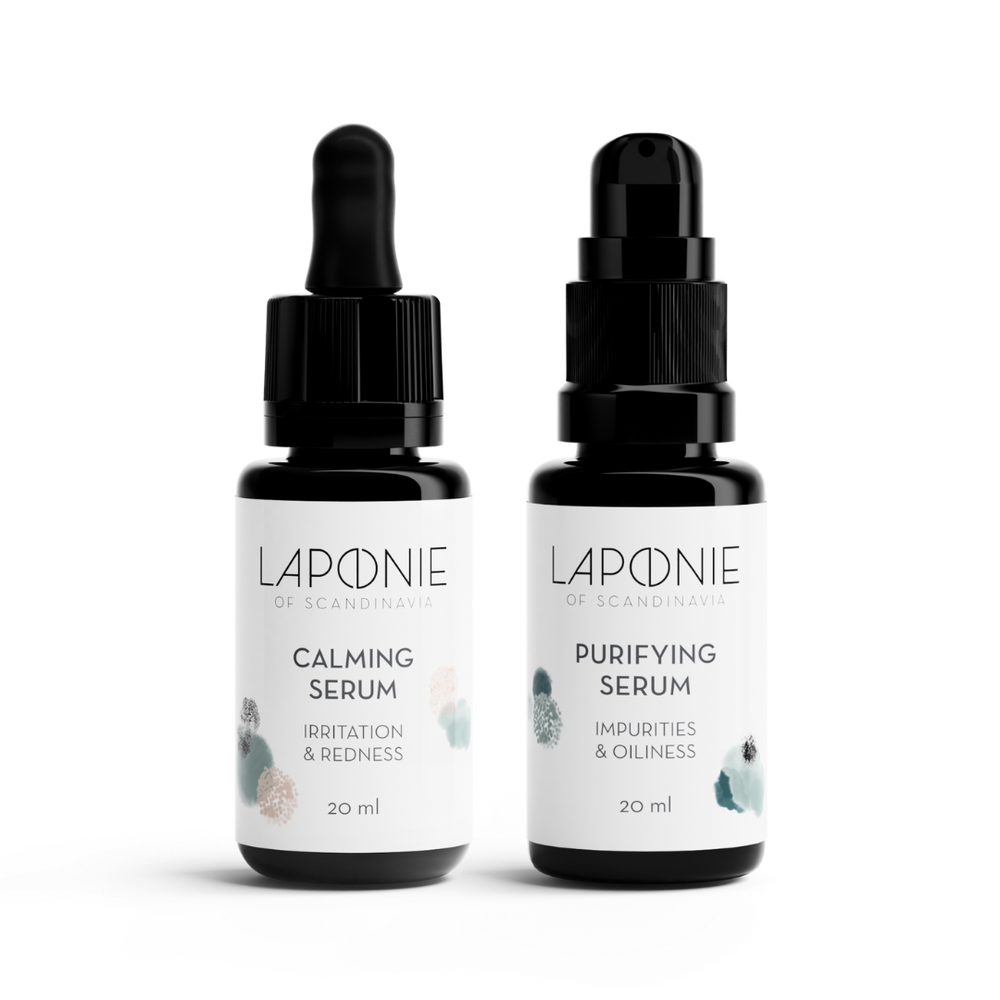
Minkälaisia ihonhoitotuotteita aknepotilaiden tulisi käyttää?
Yleisenä ohjenuorana, tuotteita, jotka eivät tuki ihohuokosia tai ärsytä ihoa.
Tämä teksti on tuotettu yhteistyössä ihotautilääkärin kanssa